Unlock Creative Potential with the Heart Canva Frame Template
More Than a Shape: Understanding the Editable Heart Frame
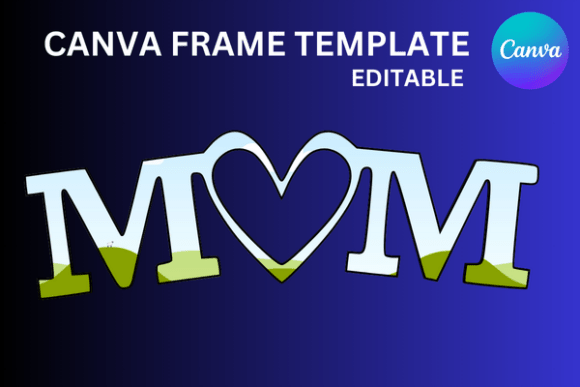
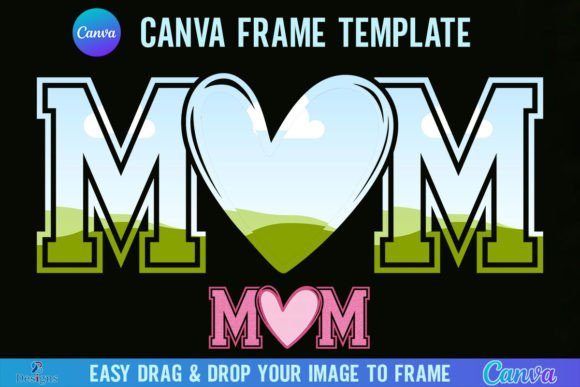
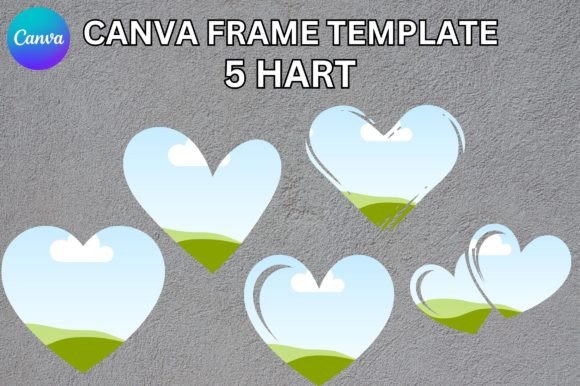
When you hear "Heart Canva Frame Template," you might picture a simple, static red outline. That's not what this is. This is a dynamic, editable design asset that functions as a powerful creative tool. The core of this offering is a custom-made Canva template file, accessible via a PDF link you receive. It's not a static PNG or SVG; it's a fully editable Canva frame designed for drag-and-drop simplicity. The heart shape itself is the canvas—a transparent layer that becomes a window for your images, patterns, or text. Its visual personality is versatile: depending on your use, it can be romantic, playful, elegant, or bold. The style is clean and modern, prioritizing functionality. The overall appeal lies in its ability to instantly frame content with emotional resonance, making it a staple for anyone needing to convey love, care, celebration, or focus in their designs.
Practical Applications Across Your Creative Projects
The true strength of the Heart Canva Frame Template is its adaptability. It moves seamlessly between personal and professional projects, digital and print mediums. For entrepreneurs and small business owners, it's a quick way to create impactful social media graphics for promotions like Valentine's Day sales, customer appreciation posts, or "We Love Our Customers" campaigns. Bloggers and content creators can use it to frame featured images, create cohesive Pinterest pins, or design engaging Instagram Stories that highlight a key message or photo.
For designers and marketers, this template is a practical component in a larger design system. It can be used in packaging design for gift tags or stickers, in editorial design to break up text-heavy layouts, or in web design as a decorative element for a testimonial section or product highlight. Crafters and hobbyists will find it invaluable for creating custom sublimation designs on mugs, t-shirts, or tote bags, as the transparent layer is optimized for such processes. It’s a creative font in visual form—a design asset that adds personality without requiring complex software skills. Its ability to be sized up or down without losing quality makes it suitable for everything from a tiny favicon to a large printed poster.
Integrating the Frame into Your Brand and Design Workflow
Using a design element like the Heart Canva Frame Template effectively goes beyond just dropping it into a project. It's about understanding its role in visual communication. Here’s how to approach it practically:
- Evaluating Project Fit: Consider the emotion and context. A heart frame is perfect for a bakery's "new pastry" announcement but might feel out of place on a law firm's annual report. Use it where the sentiment aligns with your message and audience.
- Testing and Pairing: Don't use the frame in isolation. Experiment with what goes inside it—a solid color, a textured background, a photograph, or even typography. Pair it with other design assets and fonts that complement its style. A clean sans serif font often works well for modern contrast, while a script font can enhance a romantic feel.
- Ensuring Readability and Hierarchy: If you place text inside the heart frame, ensure it has sufficient contrast and size. The frame should enhance your message, not obscure it. It should guide the viewer's eye to what's most important.
- Maintaining Brand Consistency: If you integrate this element into your brand identity, use it consistently. Establish rules for its use—perhaps only for certain types of communications or in specific color palettes that match your brand. This builds recognition and professionalism.
- Considering Commercial Use: Since this is an editable template for creating final designs, the commercial licensing typically allows you to sell the end products you create with it (like printed mugs or digital graphics). Always review the specific license terms provided with your purchase to ensure compliance.
Think of the Heart Canva Frame Template as a starting point, not an endpoint. It’s a piece of modern typography translated into a shape—a tool that saves time and injects emotional clarity. By thoughtfully integrating it into your workflow, you move from simply making a design to crafting a more engaging and resonant visual experience for your audience. It’s a practical asset that, when used with intention, can significantly elevate your creative output and strengthen your visual communication.